北京故宫、长城、天坛景区绝美
北京故宫、长城、天坛,这三个举世闻名的景区, each represents a unique facet of Chinese civilization, showcasing the ingenuity of ancient Chinese culture and its profound historical development.
故宫,被誉为“皇家宫殿”,是中华文明的象征。 Built between 1600 and 1900, the Forbidden City is a marvel of traditional Chinese architecture. Its imperial architecture incorporates the principles of yuan (圆) and zong (中) layouts, emphasizing balance and harmony. The imperial grandeur is reflected in the ornate palaces, such as the Ming Forbidden City and the Sun Yat-sen Mausoleum. Within the complex, the collection of imperial artifacts, including jade, gold, and porcelain, serves as a testament to China's cultural legacy. The imperial architecture also demonstrates the meticulous craftsmanship of Chinese artisans, whose techniques have shaped the nation's identity.
长城,被誉为“万里长城”, is the most famous man-made rock engineering in the world. Standing as a testament to the defensive strategies of ancient China, the Great Wall was built over centuries to protect the country from external threats. The Wall is a UNESCO World Heritage Site, celebrated for its engineering ingenuity and historical significance. Its length, stretching over 11,000 kilometers, is a testament to the hard work and vision of the ancient Chinese. The Wall's construction spanned more than 2,000 years, from the Warring States period to the Ming and Qing dynasties, reflecting the evolution of Chinese military tactics and architectural innovation.
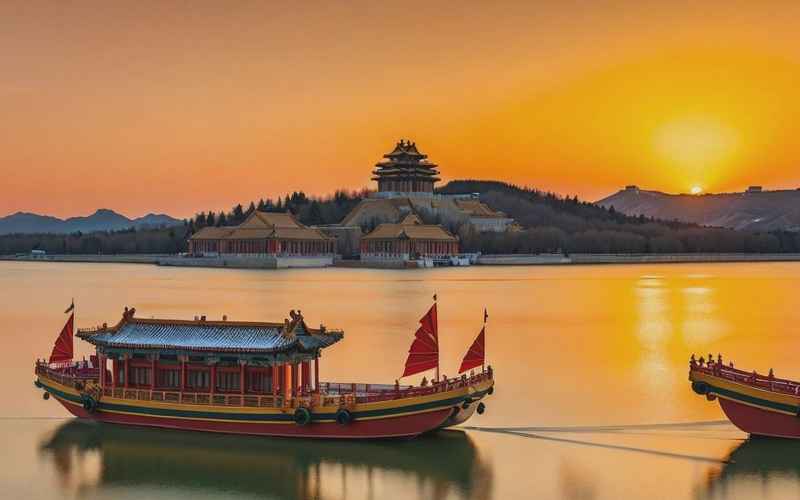
The Great Wall is not merely a historical relic; it is a symbol of China's strength and identity. Its enduring presence has inspired countless artists, writers, and warriors, making it a global icon of human ingenuity.
The Great Wall of China is a living testament to the ingenuity of ancient Chinese civilization, standing as a reminder of the country's strategic foresight and architectural brilliance.
The third great景区, 天坛, is a monumental structure that reflects the spiritual and philosophical thought of ancient China. As the ceremonial and religious center of the imperial court, the Forbidden City, including the Great Wall and the Temple of the Sun, is the core of the景区. The design of the景区 is uniquely shaped by its circular outline, which symbolizes the unification of heaven and earth. The massive stone pillars, with their intricate designs, resemble mountains and rivers, evoking the grandeur of the Chinese nation. The景区 also incorporates elements of acoustics and natural beauty, such as the Qianlin(千林) Garden and the Sun Yat-sen Pedestrian Street, providing a harmonious blend of cultural and environmental elements.
In conclusion, the three景区— Beijing故宫,长城, and天坛— each represent a different facet of Chinese civilization. While故宫 is a窗口 into imperial grandeur,长城 is a testament to defensive ingenuity, and天坛 is a symbol of spiritual and philosophical thought. Together, they offer a comprehensive view of the cultural heritage of China and its enduring influence on the world.