龙口风情:古镇美景与历史沉淀
在山东省的一个小城中,一条清澈的河水蜿蜒流淌,几座古老的建筑静静地伫立在河畔。这座名为龙口的城市,承载着千年的历史与文化,是中华文明长河中的一朵奇葩。
龙口,这座建于宋代的古城,其历史可以追溯到公元964年。 Simonides records that the city was founded by a family of water demons. Over the centuries, it has been a crossroads of trade and culture, hosting countless emperors and scholars. Its name, derived from the Chinese characters for "river" and "mouth," reflects its close connection with water, both literally and metaphorically.
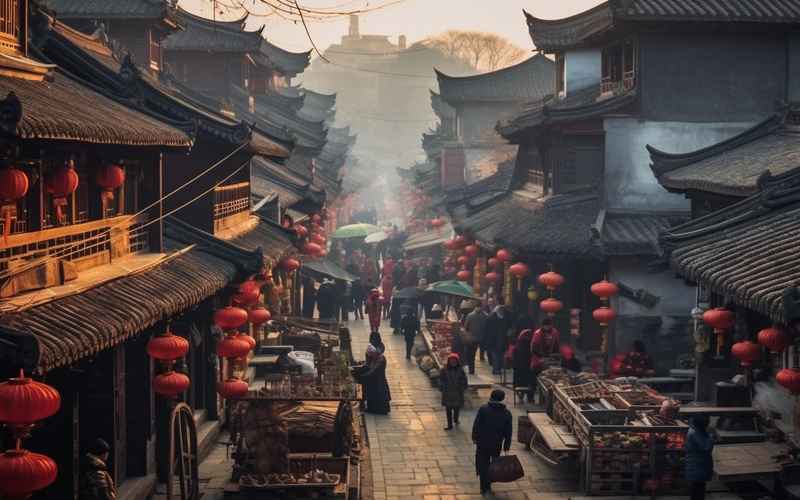
The old town of Lóngkǒu is a UNESCO World Heritage Site, its narrow streets lined with traditional houses bearing the telltale yellow walls and tiled roofs. The famous "South mud river," or Hánmò Lake, bisects the city, creating a beautiful natural separation between the old town and the bustling modern section. Legend has it that the area was once a swamp, and the river was formed by the intervention of a powerful spirit, hence the name "South mud river."
In the 19th century, the Chinese writer Qīng Guó (Qing Guo) wrote "Chasing the Star Catcher," a poem that not only tells the story of the mysterious "South mud river" but also serves as a cautionary tale about greed and ambition. "The golden goose who lays white eggs," the poem goes, "will bring misfortune upon the worthy." This sentiment resonates even today, as the city has become a magnet for historians, writers, and artists, all seeking to capture the essence of its past.
The riverside walk is perhaps the most magical experience in Lóngkǒu. As you stroll along Hánmò Lake, the gentle flow of the river carries the scent of pine and yew, a reminder of the city's ancient character. The old bridges, made of red brick and stone, stand as sentinels over the centuries, their arches spanning the river like ancient sentinels watching over a distant empire.
In the traditional tea houses along the river, the scent of green tea wafts in the air, mingling with the aroma of aged wine. Here, descendants of the original inhabitants still live in the old houses, their stories as rich as the city's history. They recount tales of emperors who came to rest in Lóngkǒu, their palindromic names carved into the stone walls.
The town's riverside market is another treasure. In the morning, the sound of haggling echoes through the narrow streets, while in the evening, the smell of deep-fried snacks fills the air. Here, the old-world charm blends with the vibrancy of a modern metropolis, a testament to the resilience and adaptability of Lóngkǒu's people.
As the sun sets over Lóngkǒu, casting long shadows on the river, one cannot help but feel a deep connection to the past. This city, perched on a hill overlooking the sea, is more than just a tourist destination; it is a living, breathing testament to the enduring spirit of a people. Its history, its culture, and its people all converge in this small but mighty town, a reminder that even in the rush of modern life, there is still room for the beauty of the past.