
绘画小汽车【绘画小汽车图片】
In the world of advertising, the car has always been more than just a vehicle—it's a canvas waiting for creativity to flow. Car painting, as an art form, captures the essence of speed, freedom and modernity in a way that words alone cannot express. From the early days of automobile advertising in the 1920s to the dynamic designs of today, car painting has evolved into a unique blend of art and design that not only sells cars but also reflects the spirit of the times.
The history of car painting is a tapestry woven with colors and creativity. In the 1920s and 1930s, car advertisements often featured bold, vibrant images that depicted cars in action, symbolizing the freedom and excitement of the new age. Artists of that era used their imaginations to create posters that made people drool over the sleek lines and powerful engines. These early works laid the foundation for what car painting would become—a fusion of artistry and marketing.
As the decades progressed, the focus of car painting began to shift. While the functional aspects of cars were still important, the emphasis started to move towards the aesthetic. The 1950s and 1960s saw the rise of muscle cars, and car advertisements began to feature more dynamic and dramatic compositions. Painters used gradients, metallic finishes and even calligraphy to create a sense of movement and power that could be felt from a distance.
In the 21st century, the boundaries of car painting have expanded even further. Digital technology has allowed artists to experiment with new techniques, such as 3D rendering and virtual painting, which can transform a simple car into a futuristic wonder. This evolution has brought a new dimension to car art, as artists can now explore realms that were previously unimaginable.
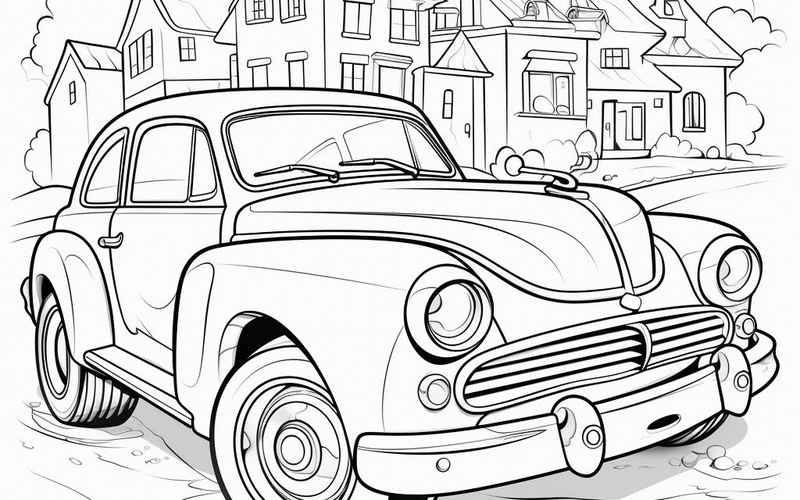
But car painting isn't just about aesthetics—it's also about storytelling. Each painted car tells a story, whether it's about the car's performance, its design or its place in history. For example, the classic "Think Small" ad for Volkswagen, painted by the renowned artist Billie Frank, depicts a couple driving into the future with a small, economical car. The painting conveys the idea of simplicity and efficiency in a way that words alone couldn't.
The future of car painting is as bright as the sun on a clear day. With advancements in technology and a growing appreciation for art, car painting continues to push boundaries. Virtual reality allows artists to paint in immersive environments, while AI tools can assist in creating intricate designs. These innovations not only expand the possibilities for car painting but also open new avenues for advertising and marketing.
In the end, car painting is more than just a way to sell cars. It's a celebration of creativity, a reflection of our culture and a glimpse into the future. Each brushstroke, each color, each line is a piece of art that brings us closer to the world of speed and freedom that cars represent. So the next time you see a beautifully painted car, take a moment to appreciate the artistry behind it—the wheels of creativity have indeed rolled far.