《国风·周南·关雎》原文,《关雎》全诗拼音
中国诗歌网,让诗歌点亮生活!
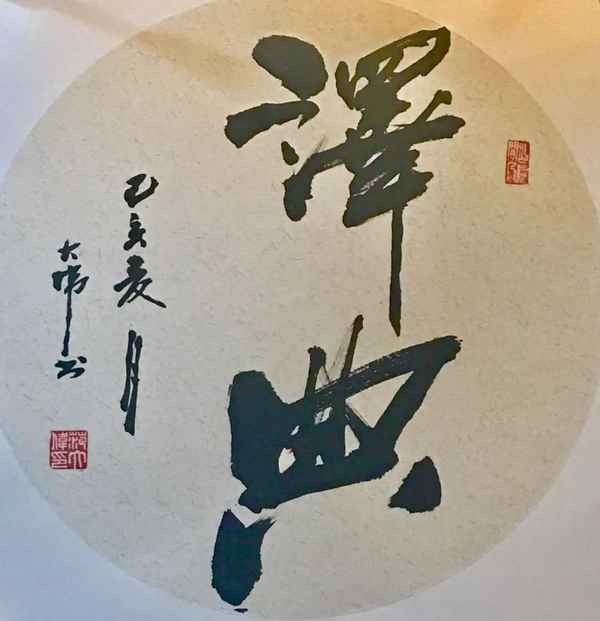
译 典
2019.10.10 第1期
关 雎
关关雎鸠,在河之洲。
窈窕淑女,君子好逑。
参差荇菜,左右流之。
窈窕淑女,寤寐求之。
求之不得,寤寐思服。
悠哉悠哉,辗转反侧。
参差荇菜,左右采之。
窈窕淑女,琴瑟友之。
参差荇菜,左右芼之。
窈窕淑女,钟鼓乐之。
《关雎》作者无名氏,选自《诗经·国风·周南》开篇第一首,是先秦汉族民歌。《论语·八佾》载“子曰:《关雎》乐而不淫,哀而不伤。”
The Grebes Coo, a pre-Qin poem, author unknown, is the first poem in Book of Songs.
Confucius commented in Eight Rows of Analects: “jolly without lust, sorrow without pain”, which has been highly deemed by celebrities since then.
The Grebes Coo
Tr. Zhao Yanchun
Do-do, the grebes do coo
At shoal amid the stream;
The lad is keen to woo
The lass, a virtuous dream.
Lush grows the water grass;
She picks it left and right.
The lad would court the lass,
A-craving day and night.
No chance to win her hand,
Asleep, awake, he yearns.
Long night he cannot stand;
He tosses and he turns.
Lush grows the water grass;
She plucks it left and right.
Lutes, flutes, do cheer the lass,
Her interest to invite.
Lush grows the water grass;
She culls it left and right.
Bells, drums, do please the lass,
Her humor to delight.
译者简介:
赵彦春,博士生导师,上海大学中国文化翻译研究中心主任,国际学术期刊主编,国际汉学与教育研究会会长、传统文化翻译与国际传播专业委员会会长、中国先秦史学会国学双语研究会执行会长、中国国学双语研究会执行会长,中国语言教育研究会副会长、其翻译作品,被誉为“有史以来最美汉英翻译”“神翻译”“神还原”。
Biosketch of the Translator:
Professor of English at Shanghai University, Director of Center for Translation of Chinese Culture, Editor of , President of International Sinology and Education, President of Chinese Culture Translation and International Promotion, Executive President of Chinese Classics Bilinguals’ Association, Vice President of China Language Education Association, a proponent of the principle of translating poesies into poesies and classics into classics. His translations have been widely reported and acclaimed as the unprecedented Chinese-English translation, the best, the choice, the cream.
译典