电视剧郭兰英(电视剧郭兰英1至12集)
在电视剧《郭兰英》的长河中,我们看到的不是一个简单的家庭故事,而是一个关于成长与救赎的现代寓言。这部以12集构成的叙事,以一个看似平凡却充满张力的家庭为切入点,通过代际之间的碰撞与对话,展现了当代中国社会中人们在物质与精神层面的双重困境。
一、破碎的玻璃与检索的尘埃
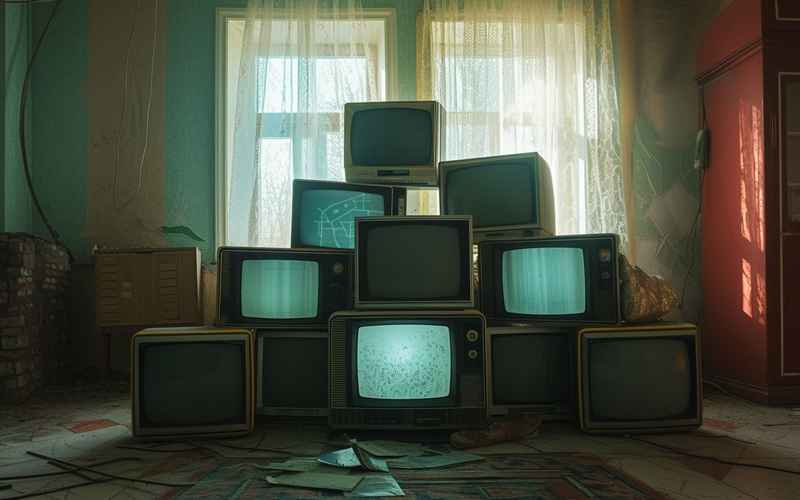
opening scene of the series establishes a striking visual metaphor: a child with broken windows standing in a world of dust and debris. 这样的开场令人 immediately immersed in the emotional weight of the narrative. The shattered window symbolizes the child's past, a chapter of vulnerability and neglect that lies hidden behind the glass of adulthood. The dust represents the chaos and dustiness of life, a reminder of how easily life can obscure our memories and histories.
The act of searching metaphorically mirrors the story's central theme of retrieval and healing. Just as the child must confront the broken window to see the world anew, the audience must confront their own narratives of loss and betrayal to achieve self-discovery. This metaphor is not merely illustrative; it is a narrative device that underscores the show's exploration of the human condition.
二、代际之间的对话与解构
Throughout the series, there is a recurring theme of dialogue between generations. The intergenerational conversations serve as a mirror to the cultural and social divides that separate them. Each generation represents not just a different era, but also a different understanding of what it means to be a "good child" or to "love deeply."
The tension between the old and the young is not merely generational. It is a tension between the past and the present, between tradition and modernity. The old generation clings to the past as a shield against the unknown, while the young embrace change and progress. This dynamic reflects the broader societal shift from a hierarchical, authoritarian family structure to a more egalitarian, individualistic one.
三、救赎之路与成长的蜕变
The series' most profound message lies in its portrayal of the process of healing and self-redemption. Each character's journey is a testament to the power of forgiveness, self-reflection, and the unyielding pursuit of truth.
Take the character of Grandpa Wang, for instance. His long-standing resentment towards his son reflects the deep-seated issues of generational conflict. Through his interactions with the younger generation, he learns to confront his own pain and find forgiveness. This process is not linear; it is a winding road filled with self-doubt, regret, and moments of revelation.
Similarly, the son, through his own experiences, learns to understand his mother's perspective. The intergenerational dialogue becomes a fragile yet essential process of understanding and healing. Each character's arc demonstrates that true growth comes not from avoiding pain, but from embracing it and finding a way to move forward.
In conclusion, The Coela story is not just about a family's dynamics. It is a microcosm of the larger societal issues we face today. Through its exploration of generational divides, intergenerational dialogue, and the process of healing, the series offers a poignant commentary on the complexity of human relationships and the resilience of the human spirit. As we watch the characters navigate their own paths, we are left with a sense of hope that even in the face of deep-seated pain and division, there is always a possibility for growth and renewal.